

 Continue with Google

 Share on media
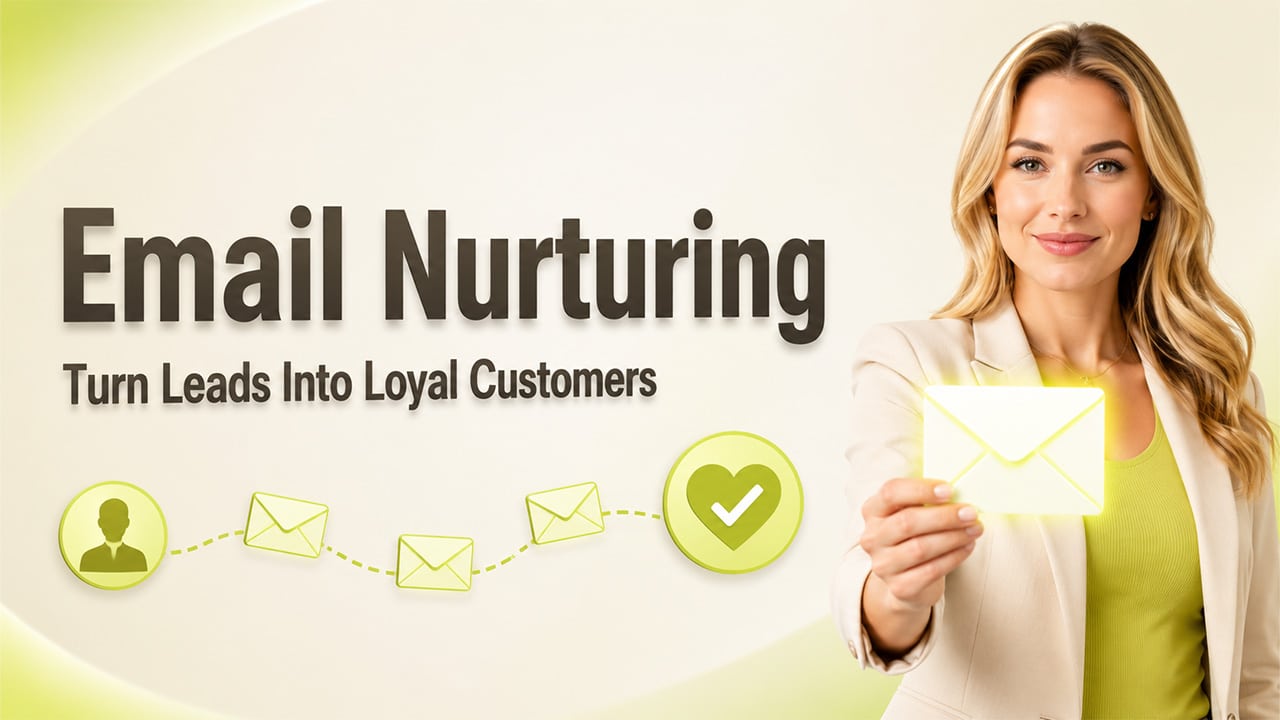
The guide explores how to build an effective lead-nurturing campaign, defining the audience and setting goals for creating content, automating campaigns, and measuring results.
Generating leads is generally considered the first step in turning prospects into paying customers. Customers who are discovering a new business are generally not ready to buy products or services immediately. They may need more information, time to compare, or reassurance that the products or services can solve their problems. This is where email nurturing becomes essential for businesses.
Email nurturing is the process through which businesses build relationships with leads, using a series of relevant, helpful, and timely emails. An effective nurturing campaign helps educate prospective customers, along with addressing their concerns, establishing trust, and gradually moving them towards a purchase decision, instead of repeatedly pushing a sales message.
What is Email Nurturing?
Email nurturing is a type of marketing strategy that uses targeted email communication to engage with leads throughout the complete buyer journey. Lead nurturing campaign includes a series of relevant, personalized, and timely emails to provide useful information that can help customers understand their problem, explore possible solutions, and gradually become ready to make a purchase.
A typical email nurturing journey begins with a welcome email that introduces the brand. It also includes educational emails, value-focused emails, social proof emails, product emails, and conversion emails. The main aim of email nurturing is to focus on building trust before engaging with the customer with sales.
Email nurturing also plays an important role in B2B lead generation by helping businesses build relationships with prospects after they enter the marketing funnel.
Key Components of Email Nurturing
An effective email nurturing campaign is not just about engaging with the customer, but it includes a thoughtful combination of audience targeting, valuable content, personalization, automation, and continuous optimization.
Some of the key elements of an effective lead nurturing emails includes:
- Audience Segmentation
Audience segmentation generally means dividing the email subscribers into smaller groups, based on factors like interests, demographics, behavior, industry, or stage in the buying journey.
- Valuable and Relevant Content
Email should offer something useful to the recipient, rather than just promoting products. Businesses can share educational articles, how-to guides, case studies, checklists, product tutorials, and industry insights.
- Personalization
Personalization helps make nurturing emails more relevant and engaging. Basic personalization can include the name of the recipient. Businesses can also tailor content based on their interests, previous interactions, or behavior.
- Email Automation
Automation enables businesses to send emails automatically based on specific triggers or actions. The automation might trigger when a customer subscribes to a newsletter, downloads resources, registers for a webinar, visits the pricing page, starts a free trial, or becomes inactive.
Types of Email Campaigns
- Email Blasts
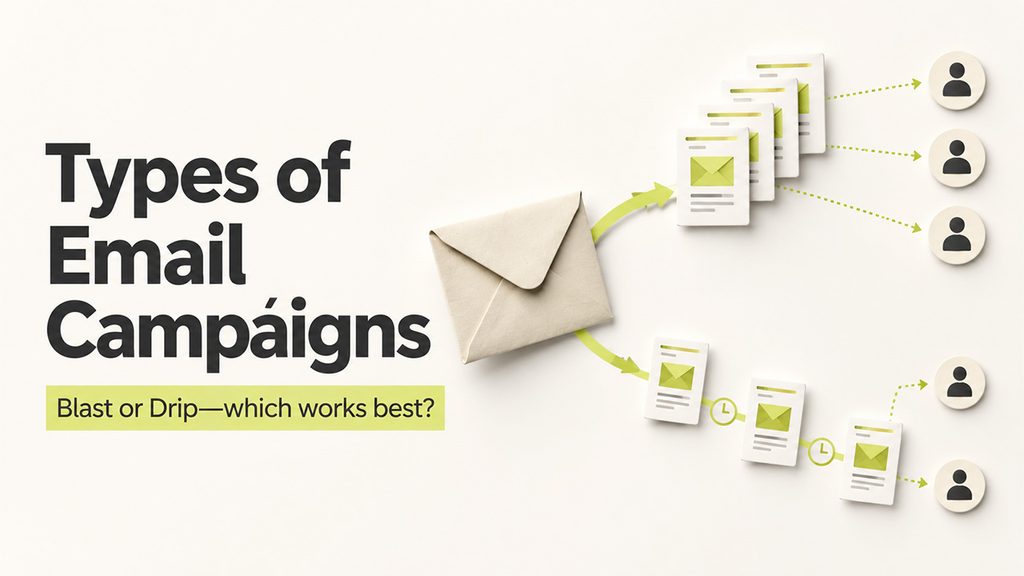
Email nurturing should not be confused with an email blast. An email blast generally involves sending the same or similar message to a large group of subscribers at once, while email nurturing focuses on delivering targeted and relevant messages based on the recipient’s interests and stage in the buyer journey.
- Drip Campaigns
Email nurturing and drip campaigns are closely related, but they are not exactly the same. A drip campaign typically involves sending a predefined series of emails to subscribers based on a specific schedule or trigger. Email nurturing is broader and focuses on building relationships with leads by delivering relevant content based on their needs, interests, and position in the buyer journey.
Stages of Email Nurturing
Email nurturing generally includes six major stages, with each stage requiring different messaging and content. Key stages of email nurturing are as follows:
1. Awareness Stage
In the first stage of email nurturing, the business identifies a prospect and their problems, or researches a topic. The primary goal of the awareness stage is to educate and create awareness. It includes various types of content, such as blog articles, educational guides, industry reports, checklists, and videos.
2. Interest and Consideration Stage
At this stage, businesses help prospects understand their problem. The main goal is to demonstrate expertise and show how the product or solution can address the needs of a customer. In this stage, effective content includes product guides, webinars, comparison articles, case studies, expert advice, and FAQs, among others.
3. Evaluation Stage
During the evaluation stage, the prospect considers whether the product or service is right for them. The emails should focus on building confidence and reducing purchase hesitation. Businesses can offer customer testimonials, detailed case studies, product demonstrations, ROI information, customer success stories, and comparison guides.
4. Decision Stage
In this stage, the prospect is closer to making a purchase decision. At this point, emails should be more conversion-focused. The content can include book-a-demo, start a free trial, get a quote, schedule a call, or make a purchase.
5. Conversion Stage
The conversion stage occurs when the prospect takes the desired action and becomes a customer. The main objective is to help the customer get value from their purchase. The content should include welcome and onboarding information, setup instructions, product tutorials, best-practice tips, and support resources.
6. Retention and Loyalty Stages
The final stage focuses on turning customers into repeat buyers and loyal advocates. At this stage, businesses can use email to maintain relationships by sharing useful content, personalized recommendations, exclusive offers, product updates, and customer appreciation messages.
Steps for a Successful Email Nurturing
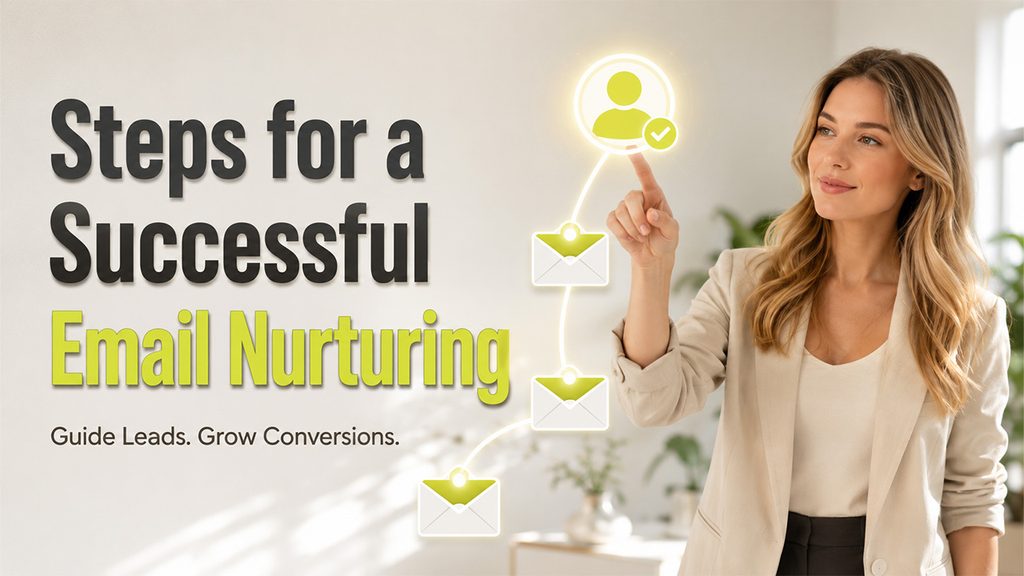
Building a successful email nurturing campaign generally requires more than sending emails on a fixed schedule. An effective nurturing campaign should be designed around the audience’s needs, interests, and position in the buying journey.
Some of the key steps for a successful email nurturing campaign include:
1. Define Campaign Goals
Businesses should start by deciding what they actually want their email nurturing campaign to achieve. The goal can be to generate more product demos, increase free-trial sign-ups, convert leads into customers, or re-engage with inactive subscribers.
2. Identify Target Audience
Businesses should understand who their leads are and what their main problems are. A better understanding of leads makes it easy to create emails that feel useful and relevant.
3. Segment Leads
Lead segmentation helps divide the audience into meaningful groups based on various characteristics, such as job role, location, interests, website activity, or buyer journey stage.
4. Map Buyer’s Journey
Users need to determine what information a prospect needs at each stage of the buying process. This ensures that the email supports the decision-making process of the prospect.
5. Create a Valuable Email Sequence
Businesses need to develop a series of emails that can provide value and gradually move the lead toward the desired actions.
6. Personalized Emails
Utilized the information of customer to make the communication more relevant. Personalization can include the recipient’s name, industry, interests, previous actions, or content preferences.
7. Automate the Campaign
Businesses can use email automation to send messages based on specific triggers or actions. Automation helps save time while ensuring that the leads receive consistent and timely communication.
8. Design Engaging Subject Lines and Content
The emails need to capture attention quickly. For this, they can create clear, relevant, and interesting subject lines.
9. Include a Clear Call to Action
Every email should encourage the readers to take one logical next step. Businesses should define an engaging call to action, such as reading an article, downloading a guide, watching a webinar, or exploring a product.
10. Test and Optimize the Campaign
Users should monitor campaign performance and identify areas for improvement. They can also test different subject lines, email formats, CTAs, content, personalization, and sending times.
Common Mistakes to Avoid
While designing an effective and successful email nurturing campaign, businesses or users should avoid various common mistakes, which are as follows:
- Sending too Many Emails: Excessive emails often result in overwhelming the subscribers, increasing unsubscribe actions.
- Using Generic Content: One message for everyone may not address different customer needs.
- Being too Sales-Focused: Constantly promoting products can reduce trust and engagement.
- Ignoring Personalization: Failing to use relevant customer information can make emails feel impersonal.
Conclusion
An effective email nurturing campaign is not just sending a series of automated sales emails, but it includes a structured customer journey that is designed to build trust, educate prospects, and help them make a confident decision. A successful email nurturing campaign also focuses on one key principle, i.e., helping the prospect before asking them to buy the product or services. If an email offers relevant value and moves the relationship forward, the process of lead nurturing can turn a cold or undecided prospect into an engaged customer.