

 Continue with Google

 Share on media
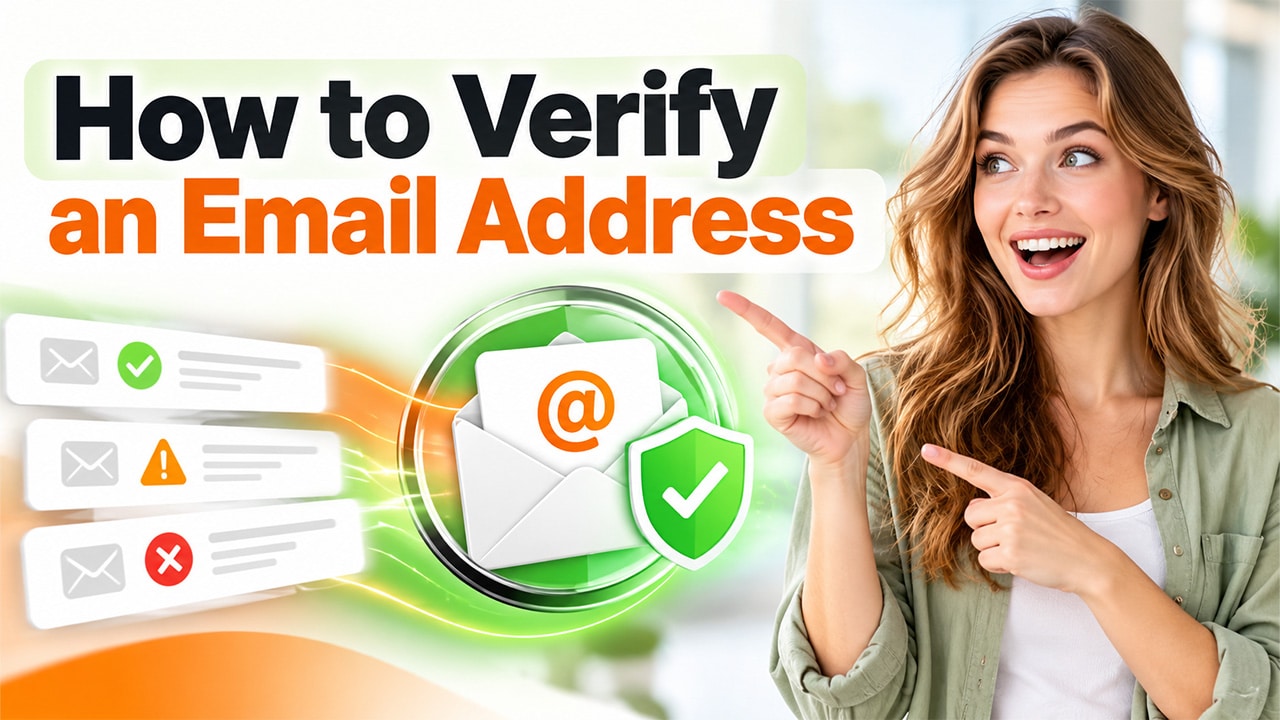
Email validation is key to accurate sales prospecting, effective marketing, customer contact, and lead generation. Sending messages to the wrong addresses or those no longer in use can result in more bounces, wasted time, and a damaged sender reputation that makes it even more difficult to reach your targets. How to verify an email a is something every business should learn in order to avoid sending campaigns to addresses that cannot receive them. You can verify individual addresses or use domain-level checks and verification tools, as well as your email list validation process to avoid sending campaigns that don’t arrive. This page explains how email validation works, and how you can do it.
What Does Email Address Verification Mean?
The process of verifying an email address is one that validates the structure of an email address and that it seems to be capable of receiving email. It can reveal typos, non-existent domains, inactive mailboxes, and other problems that affect email delivery. By knowing how to verify an email address record, you can make sure email verification for lead generation starts with a contact list that is valid before any sales or marketing campaign begins. Verification also helps sales teams avoid wasting outreach effort on addresses that bounce, so they can focus on prospects who are more likely to respond.
How to Check if an Email Address Is Valid
Before you get more technical, you can perform some simple verifications to determine if an address is problematic and whether you need to verify it a little further.
- Check the Email Format
Missing character, space, or punctuation; repeated or missing punctuation mark; or missing Domain extension. Remember, email address standards support some less conventional address formats. Don’t reject an address just because it looks strange.
- Verify the Domain
Determine if the domain name is a valid one, and also if it has mail exchange records. These identify where the domain sends incoming email. Any domain lookup tools can be used to reveal these details. Bear in mind that if the domain name is valid, that does not mean that the recipient’s inbox exists.
- Use an Email Verification Tool
Email verification tools automate one or more of these tests and tend to mark email addresses as valid, invalid, risk, or unknown. Brands are not consistent in their messaging, so look for the provider’s description of the mark before responding to these results. A good way to know how to verify an email address record in bulk.
If you still need contacts to check, read How to Find Business Email Addresses for Free before running a bulk verification.
How to Verify an Email Address Step by Step

A steady verification process allows you to monitor your results before you impact your campaigns. Use the following steps whenever you build a new list of contacts or emails.
- Review the Address Manually
For example, begin by verifying the spelling of the person’s name, the @ symbol, and the domain name. Look for spaces that shouldn’t be there, places where there should be a period, and common typos. In this case, sam@compnay.com has a typo in the domain name. Only correct the address when you know the domain is written correctly.
- Validate the Syntax
Employ a form validator or email validation software to ensure the address complies with a valid format. This helps in shortlisting the incorrect entries as early as possible. However, even if it passes the syntax validation, it doesn’t necessarily assure the mailbox exists. Consider this as the first step, not the last.
- Check the Domain’s Mail Records
Check the DNS for the domain to verify if it has MX records or other supported mail-routing configurations. If a domain is not configured to accept mail, it is undeliverable. Some domains have unique configurations, so don’t assume you’ve rejected the address if the result is unexpected.
- Run a Mailbox Verification Check
Send it to a verified verification service. Some services check server responses or another indicator based on the recipient’s mail server for an idea of whether the mailbox can be delivered to, depending on the provider. Some providers aren’t able to verify individual mailboxes because servers block verification requests.
- Record the Result and Review It
Sort your addresses into buckets including valid, invalid, risky, and unknown. Flag false or known invalid addresses for deletion, delve into the unknowns, and keep the date on things to revisit. Once your list is clean, you can import verified contacts into your CRM, and SuiteCRM email to lead explains how to turn incoming emails into leads.
Your guide to verifying email address records after you’ve completed the steps above. Follow these steps for how to verify an email address record before you send the emails.
Common Methods and Tools for Email Verification
There are different ways companies can verify contacts based on the size of their contact list, their time, their resources, and the accuracy you need.
- Manual Verification: You can personally check the spelling, domain details, and formats. It is effective if you only have a few addresses to check, but if you have hundreds or thousands of addresses, it takes time.
- Online Email Verification Tools: These tools verify email addresses in batches or single emails. Most allow users to download a report of the addresses checked with status labels, so you can easily see invalid and unsure emails.
- DNS and MX Record Checks: DNS lookup tools can reveal if the domain has email-routing records. They are helpful for technical tests, but they cannot verify the existence of a mailbox on their own.
- Email Confirmation Links: Where addresses are gathered by a form on a website, generate a confirmation message and request that the user click a link to confirm. This confirms access to the mailbox a bit more directly than syntax or DNS testing.
- Double Opt-in: This means sending a confirmation message to the subscriber asking them to verify that they want to join your list. This prevents newbies from subscribing on autopilot and demonstrates access to their email account.
You might have to get contact info on your research prospects first. Read How to Find Email Addresses from Any Website to learn how email finding plays into this. You might want to validate all of the addresses you found before you begin your outreach.
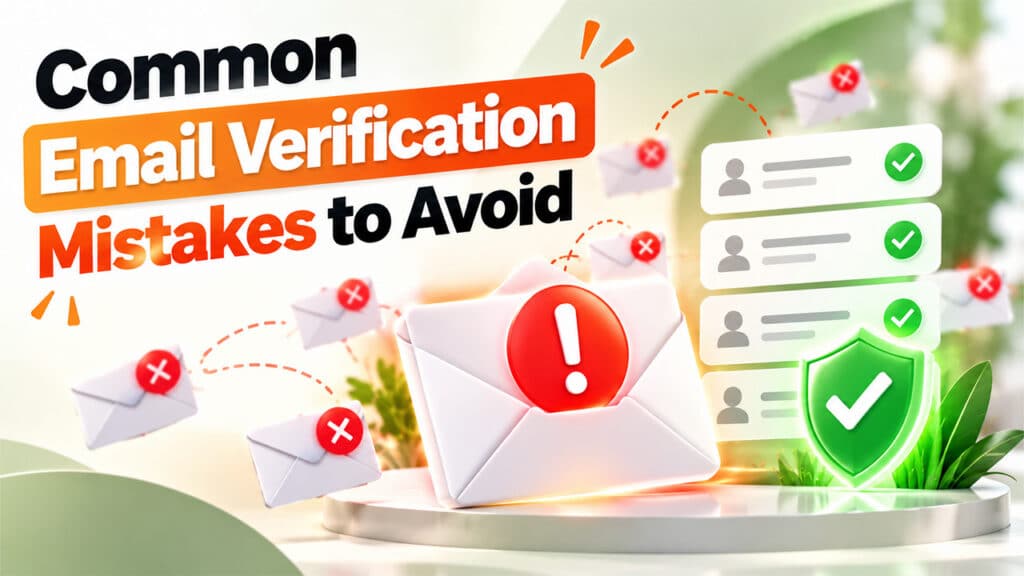
Common Email Verification Mistakes to Avoid
If you do know how to verify an email address record, some common errors can undermine the benefit of your email verification.
- Treating Every Valid Result as a Guarantee
Verify that an address is deliverable, but don’t rely on validation tools to tell you that every mail you send is delivered to the user. Mailboxes get abandoned, server configurations change, and providers may refuse to accept your message for reasons other than bad syntax. Rely on validation as a sign rather than a promise.
- Verifying a List Only Once
Email addresses change: employees depart, companies change their domains, accounts are abandoned. A good address today might be dead in six months. Cross-check new contacts before you email them and review older lists on a regular basis. How often depends on how regularly you change your addresses and run campaigns.
- Disregard for Consent and Privacy
Having a technically valid address doesn’t mean the address owner consented to receive unsolicited marketing messages. Collect addresses responsibly, comply with all relevant privacy and email marketing regulations, and promptly remove recipients who don’t want to hear from you. Don’t send frequent test messages to addresses you don’t have control over. Rely on proven tools and don’t over-contact recipients.
Conclusion
Knowing how to verify an email address record helps businesses maintain cleaner contact lists, reduce avoidable bounces, and organize sales outreach more effectively. Start by checking the address format and domain, then use a reliable verification tool when you need a more detailed assessment. For website sign-ups, confirmation links and double opt-in provide additional evidence that a user can access an address. Make verification a regular part of your lead management process rather than a one-time task. When you combine accurate contact data with responsible outreach practices, you can improve campaign quality and help your team spend more time communicating with relevant prospects.