

 Continue with Google

 Share on media
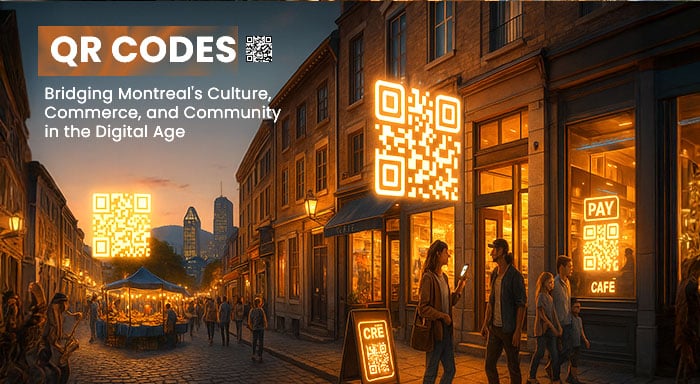
Montreal is a city that has always succeeded by blending old and new. From cobblestone streets lining Old Montreal to high-tech start-ups packed into Mile-Ex, the city’s personality is its ability to innovate while holding on to tradition. One tiny but powerful tool recently arrived on the scene to aid in this balance: the QR codes.
What was once an industrial utilitarian tool has evolved quietly into a digital bridging tool between industries, cultures, and daily life. In Montreal, QR codes are no longer just a technological phenomenon — they’re a fundamental part of the way we discover art, access public services, and shop at local businesses.
QR Codes in Montreal’s Cultural Scene
The cultural capital position of Montreal is not debatable. From international festivals like Just for Laughs to the Montreal International Jazz Festival, activities never cease in the city as locals and tourists flock in. QR codes are now a standard way of engaging participants more deeply.
Even event organizers use QR codes on posters, flyers, and even city murals nowadays, allowing bystanders to scan and have an instant access to schedules, tickets, or artist information. Foreign visitors also find that most QR-linked pages offer multilingual support, meaning Montreal culture has never been more accessible.
QR codes extend the experience beyond the walls of museums and galleries. A visitor at the Montreal Museum of Fine Arts, for example, can scan a code next to an exhibit to hear the artist’s comments, watch behind-the-scenes clips, or even download a 3D image of the piece.
QR Codes and Tourism in Montreal
Tourism plays a major role in Montreal’s economy, and QR codes are making travel experiences smoother and more interactive for visitors. Hotels, tourism boards, and local attractions now use QR technology to simplify navigation and improve convenience for travelers.
In popular tourist areas like Old Montreal and Mount Royal, QR codes are often placed on signboards, maps, and brochures. Visitors can instantly access:
- Digital walking tours
- Restaurant recommendations
- Historical information
- Multilingual travel guides
- Emergency contact information
Many boutique hotels also use QR codes inside rooms to provide guests with local attraction suggestions, transportation guides, and restaurant booking links without requiring printed materials.
For international tourists unfamiliar with the city, QR technology reduces language barriers and helps them explore Montreal more confidently. This digital convenience enhances the overall visitor experience while supporting the city’s growing smart tourism initiatives.
You can even see businesses integrating QR systems with marketing tools and customer communication platforms such as sending emails to Slack, helping teams instantly manage customer inquiries, reservations, and promotional campaigns more efficiently.
Supporting Local Businesses with QR Codes
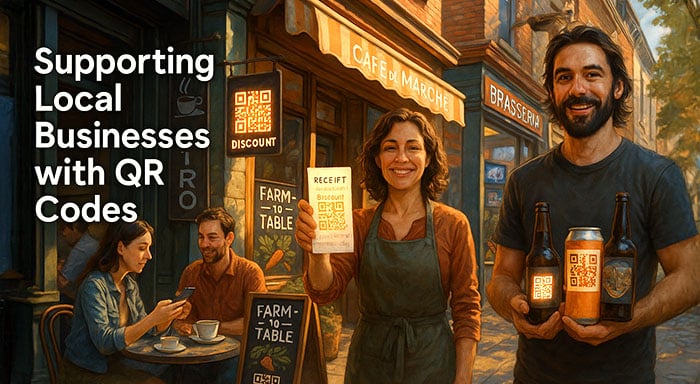
The pandemic accelerated a shift in customer behavior, and QR codes became the savior for many small businesses in Montreal. Plateau-Mont-Royal and Little Italy restaurants implemented QR menus not only from a health perspective but also due to the fact that they were an affordable and green option.
Nowadays, this habit has become second nature for customers. But pioneering restaurateurs are pushing it to the next level. QR codes are sometimes used to:
Provide offers: They attach a code on the back of the receipt, allowing customers to return and avail themselves of a discount on their next visit.
Promote sustainability: QR-linked pages highlight sourcing practices, giving customers access Share stories: Some breweries in neighborhoods like Verdun or Rosemont put QR codes on their cans and bottles, which link to their behind-the-scenes shots and community events.
By blending storytelling with accessibility, local businesses are building stronger, more authentic relationships with their patrons.
Public Services and Uran Evolution
QR codes can also be found around various public spaces in Montral. Walking along the Lachine Canal, you’ll find codes posted at heritage sites that connect to historical archives, audio tours, or interactive maps. These simple black-and-white squares help preserve stories that might otherwise be overlooked.
Another example is the city’s transit system. STM subway and bus stops now more often feature QR codes that bring real-time schedules, updates, or alerts — a godsend in a city where winter storms can redefine commutes in minutes.
Public health has also embraced QR access. Via vaccination campaigns, QR codes simplified appointment bookings and provided vital multilingual information. This flexibility reflects Montreal’s multicultural citizenry so that no community is left behind.
QR Codes in Education and Universities
Montreal is home to globally recognized educational institutions, and QR codes are increasingly becoming part of the learning environment. Universities, colleges, and libraries use QR technology to provide students with quick access to academic resources and campus services.
Professors now place QR codes on classroom presentations, study materials, and notice boards so students can instantly:
- Download lecture notes
- Access online assignments
- Join discussion forums
- Watch recorded lessons
- Register for campus events
Libraries across Montreal also use QR codes to help students locate digital archives, research databases, and eBooks. This improves accessibility while reducing dependence on printed documents.
Educational institutions are also using QR-powered networking systems during seminars and student events. Attendees can scan codes to exchange contact details, connect on professional platforms, or access speaker information instantly. In some cases, marketers and student organizations even combine these systems with free email lookup tools to improve outreach and communication efficiency for campus campaigns and networking events.
The Future of QR Codes in Montreal
The future could be in the construction of smart cities. Imagine walking around Quartier des Spectacles on an evening of street light display and scanning QR codes to vote on the next color to show. Or going to a local food fest where wristbands linked with QR codes cover everything from entry to cashless transaction to voting for the crowd’s favorite dish.
As augmented reality increasingly goes mainstream, QR codes will increasingly act as portals to immersive experiences. A Hochelaga mural might spring to life with animation after a quick scan, fusing street art and digital storytelling.
A Bridge Between People and Possibilities
What makes QR codes so resilient in Montreal isn’t just how easy they are, but how much they reflect the city itself: open, multilingual, innovative, and evolving. They’re not here to replace the tradition, but to enhance it, making culture, commerce and community accessible to everyone. So the next time you’re walking around Montreal and catch a glimpse of that black-and-white little square, don’t dismiss it as a technology fad. It can be your key to discovering a hidden history, assisting a local business, or experiencing the city in a manner previously unimaginable.
Conclusion
QR codes have evolved far beyond simple scanning tools in Montreal. They now serve as digital connectors that unite culture, commerce, tourism, education, and public services across the city. Whether helping visitors discover hidden historical stories, supporting local businesses with sustainable solutions, or improving access to information in multiple languages, QR codes continue to shape the modern Montreal experience.
As technology advances and smart city innovations grow, QR codes will likely become even more embedded in everyday life. Their true strength lies in how seamlessly they connect people with information, experiences, and communities, perfectly reflecting Montreal’s innovative and multicultural spirit.
FAQs About QR Codes in Montreal
Why are QR codes becoming popular in Montreal?
QR codes are becoming popular because they provide quick access to digital information while supporting Montreal’s multilingual, technology-driven, and eco-friendly environment. Businesses, cultural institutions, and public services use them to improve accessibility and customer experience.
How do restaurants in Montreal use QR codes?
Restaurants commonly use QR codes for digital menus, promotions, loyalty programs, payment systems, and storytelling about ingredients or local sourcing practices.
Are QR codes safe to use?
Yes, QR codes are generally safe when scanned from trusted sources. However, users should avoid scanning suspicious or unfamiliar QR codes that may redirect to harmful websites.
How are QR codes helping tourists in Montreal?
QR codes help tourists access maps, travel guides, event schedules, historical information, and multilingual resources instantly, making it easier to explore the city.
What is the future of QR codes in Montreal?
QR codes are expected to become even more integrated into smart city initiatives, augmented reality experiences, digital payments, public transportation, and interactive cultural events.