 Continue with Google

 Share on media
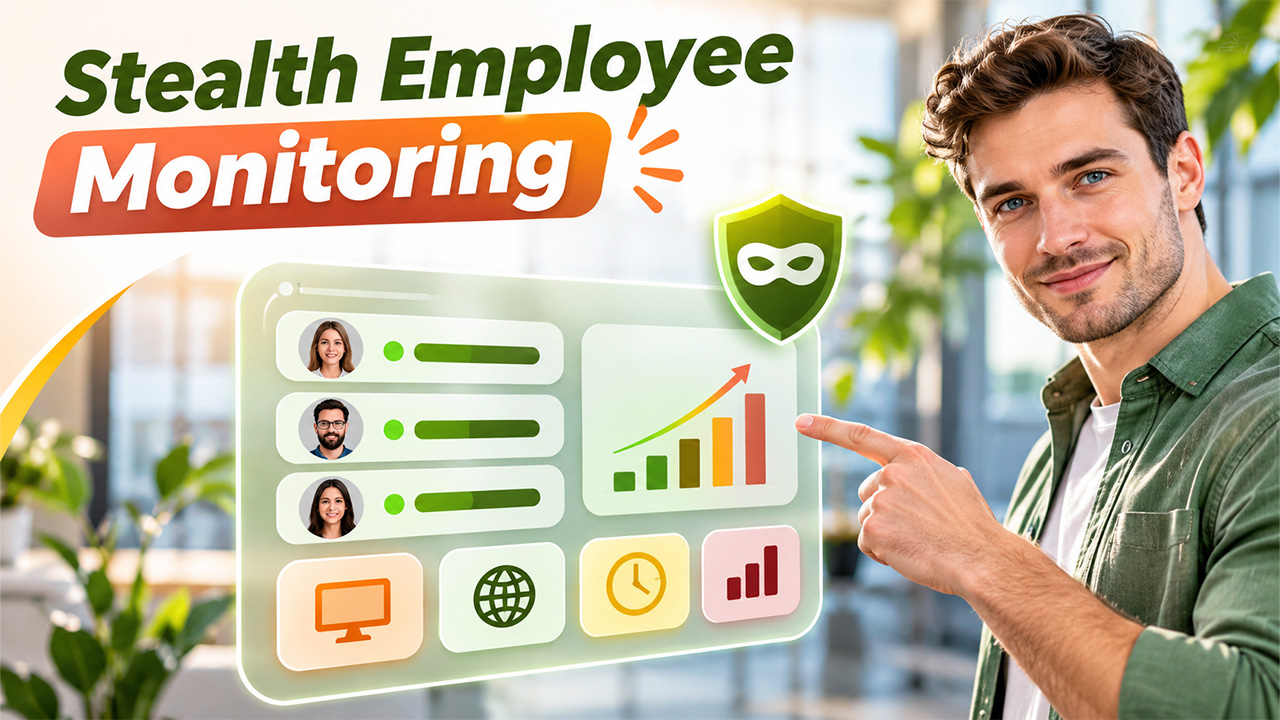
It is difficult for a business to choose low visibility employee monitoring software when the business needs work activity data that’s accurate and doesn’t stop employees from working. The business wants to see how much people work and what hours they work and what applications they use but without stopping them from working.
Stealth or low visibility employee monitoring software is used for this. Those tools log work time, app and website activity, screenshots, plus productivity and other worker actions; they have different settings for how visible they are and how users control them. Remote teams, businesses, agencies, and organizations that need activity data all the time can use low visibility monitoring to stop checking in by hand and to help managers see how individuals work – those tools don’t all work in the same way. Some tools show workers that tracking is happening, whilst others run only in the background.
In this guide, we compare stealth, low-visibility employee monitoring software tools. We look at what they track, what they cost, and how visible they are, but also what teams they are for.
Quick Overview
When it comes to the search for low-visibility software for monitoring employees, Apploye offers one of the most promising solutions, especially for smaller teams trying to minimize expenses. The Starter package offered by the company is free of charge and available for up to 10 users, with time-tracking and monitoring features such as screenshot taking, app and URL monitoring, activity analysis, timesheets, projects, and attendance. Businesses can further improve operational efficiency by using automated workflow management to reduce repetitive administrative tasks and streamline routine processes.
In case you require even more extensive remote monitoring of your employees, as well as more advanced management capabilities, you can choose the Elite package offered by Apploye, starting at $4.50 per user per month for the annual billing period.
Trackpilots, Teramind, WorkTime, TMetric, Hubstaff, Time Doctor, and Insightful are some other applications offering the possibility of monitoring employees, each having varying degrees of background monitoring, activity visibility, and management capabilities.
Every sentence is between 22 and 25 words. I also cut the repeated “free for up to 10 users” phrasing where I could and added a few small connecting phrases to keep the flow natural.
8 Best Stealth Employee Monitoring Software at a Glance
| Software | Stealth / Low-Visibility | Screenshots | App & Website Tracking | Time-Tracking | Starting Price |
| Apploye | Yes | Yes | Yes | Yes | $4.50/user/mo |
| TrackPilots | Yes | Yes | Yes | Yes | Free |
| Teramind | Yes | Yes | Yes | Yes | $14/user/mo |
| WorkTime | Low-visibility | No | Yes | Yes | Free |
| TMetric | Configurable | Yes | Yes | Yes | Free* |
| Hubstaff | Low-visibility | Yes | Yes | Yes | $4.99/user/mo |
| Time Doctor | Background tracking available | Yes | Yes | Yes | $6.67/user/mo |
| Insightful | Yes | Optional | Yes | Yes | $8/seat/mo |
1. Apploye: Best for Stealth Monitoring With Time and Project Tracking
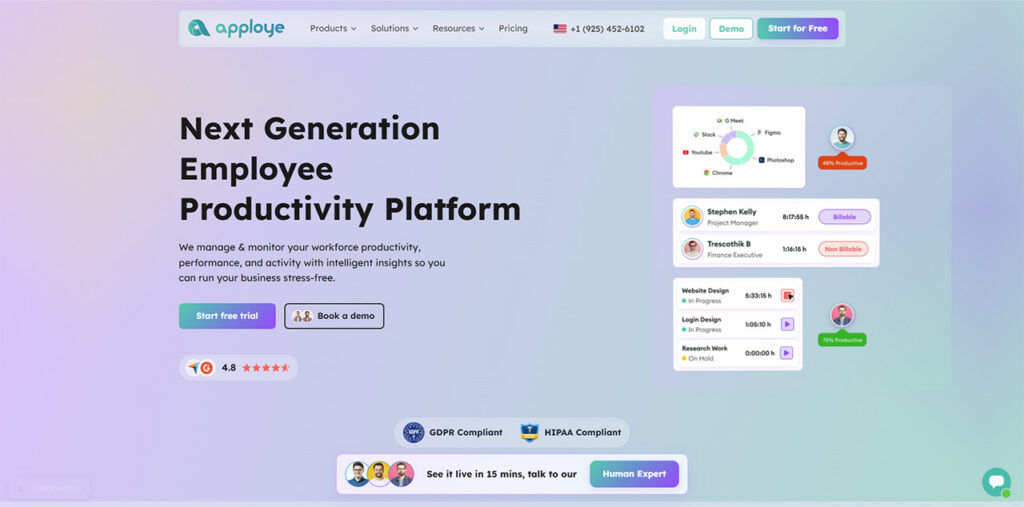
Apploye is a strong option for businesses looking for low-visibility employee monitoring software that combines activity tracking with time and project management. It brings employee monitoring together with time tracking, projects, tasks, timesheets, reporting, invoicing, and payroll, allowing teams to manage everything from one platform.
Its Stealth Mode runs quietly in the background on company-owned devices. It can collect app and website usage, screenshots, screen activity, and productivity signals without showing employees the usual tracking interface. That means you get useful activity data without constant reminders or distractions on their screens.
Apploye is a cross-platform employee monitoring app that works on Windows, macOS, and Linux. If your team uses a mix of devices, it’s worth checking compatibility before you roll it out.
Stealth monitoring is only one part of the workflow, not a separate product you have to manage on its own. You can connect monitored activity to tracked hours, projects, tasks, timesheets, and client work in one place, which also makes Apploye practical time tracking software for consultants.
Managers get clearer context behind every hour logged, which makes reviews, billing, and payroll easier. Instead of switching between a monitoring platform and a separate time tracker, you work from a single dashboard. That saves time and keeps your reporting consistent.
Key Features
- Stealth monitoring
- Screenshots
- App and URL tracking
- Activity analytics
- Real-time active view
- Time tracking
- Timesheets and approvals
- Projects and tasks
- Client invoicing
- Payroll
- Custom reports
- Integrations with project management apps
Pricing Details of Apploye
- Apploye’s free employee monitoring software on the Starter Plan is free for up to 10 users, but its monitoring features are limited: one screenshot per hour, three applications per day, five websites per day, and seven days of activity history.
- The Elite Plan starts at $4.50 per user per month when billed annually. Stealth Mode is an additional $2 per user per month.
- The Power Plan starts at $8 per user per month annually.
Pros
- Free plan for small teams: The Starter plan is free forever for up to 10 users. It’s not a time-limited trial.
- Affordable paid plan: The Elite plan starts at $4.50 per user per month with annual billing, which is much more affordable than most of the employee monitoring platforms.
- Stealth Mode: You can run monitoring quietly in the background on company-owned devices.
- Works on all platforms: Your team can use it on all platforms, including Windows, macOS, and Linux.
- Popular integrations: It connects with Asana, Jira, Zapier, ClickUp, and Trello, so it fits into the tools your team already uses.
- Broad feature set: It covers time tracking, screenshots, app and URL tracking, activity analytics, timesheets, projects, and attendance tools.
- All-in-one workflow: You can link monitored activity to projects, tasks, timesheets, client work, invoicing, and payroll without a separate tool.
Cons
- Free plan cap: Once your team grows past 10 users, you’ll need a paid plan.
- Advanced features cost extra: Deeper remote monitoring and management options sit in the Elite plan, not the free one.
- May be more than you need: If you only want simple time tracking, a platform with monitoring, invoicing, and payroll may feel like extra.
Best for: Apploye is best for teams that want time tracking, project tracking, and quiet activity monitoring in one place. It suits small teams on a budget, remote teams, agencies billing clients, and anyone who wants monitoring connected to tasks and payroll.
2. TrackPilots: Best for Dedicated Stealth Monitoring
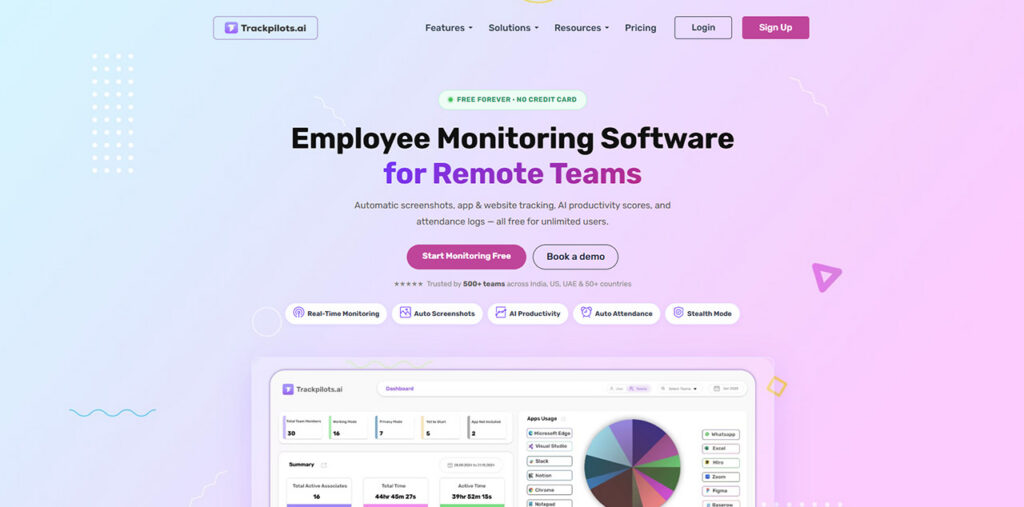
TrackPilots has one of the most direct matches for the stealth-monitoring use case. Its dedicated stealth monitoring feature includes background activity tracking, invisible app and website monitoring, stealth screenshots, and hidden work-session analysis.
The platform can monitor applications and websites without alerting employees, and its screenshot feature captures periodic screenshots in the background. TrackPilots also provides timeline data showing active time, idle time, productive hours, applications, and visited URLs.
TrackPilots says its platform works on Windows, Linux, and Mac. Its website currently advertises a free offering for unlimited users and a 14-day trial.
3. Teramind: Best for Advanced Stealth and Security Monitoring
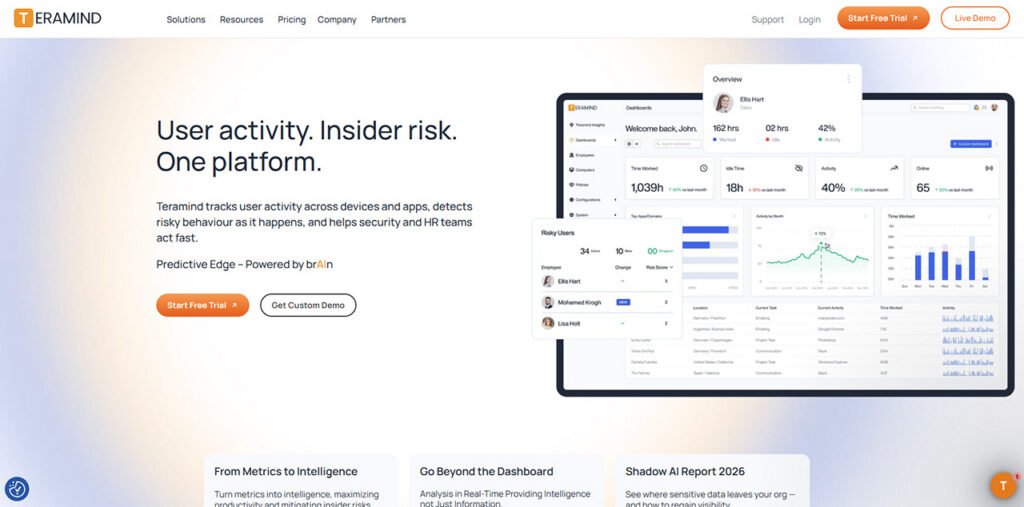
Teramind is designed for deeper employee activity monitoring and security use cases. Unlike platforms that simply hide notifications or reduce interruptions, Teramind has a dedicated Stealth Agent.
According to Teramind’s current documentation, its Stealth Agent does not require user acknowledgement and has no user interface. It is intended for discreet monitoring where user awareness is not required. Teramind also requires administrator privileges to install the stealth agent.
The platform goes beyond basic time tracking with features for screen monitoring, application and website activity, behavioral analysis, alerts, and security investigations.
Teramind’s plans currently start at $14 per user per month, with UAM at $28 and DLP at $32. All paid plans have a five-seat minimum.
4. WorkTime: Best for Non-Invasive Monitoring
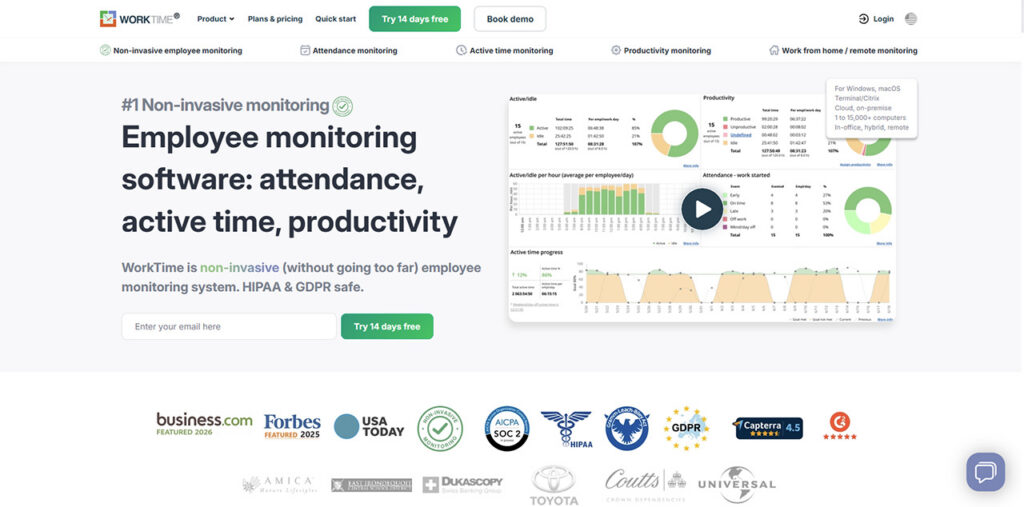
WorkTime isn’t focused on tracking content, but instead tracks working patterns such as how much time someone spends actively working or being idle, using applications or websites, and attendance and productivity.
With this in mind, WorkTime is a great solution for discreet monitoring.
The free plan allows you to monitor up to 3 employees with 2 weeks of historical data. However, the Basic plan costs $6.99 per employee per month, and the Premium and Enterprise plans cost $8.99 and $10.99, respectively.
With the Premium plan, you also get productivity reports, distraction scores, custom working hours, and alerts.
5. TMetric: Best for Configurable Employee Activity Monitoring
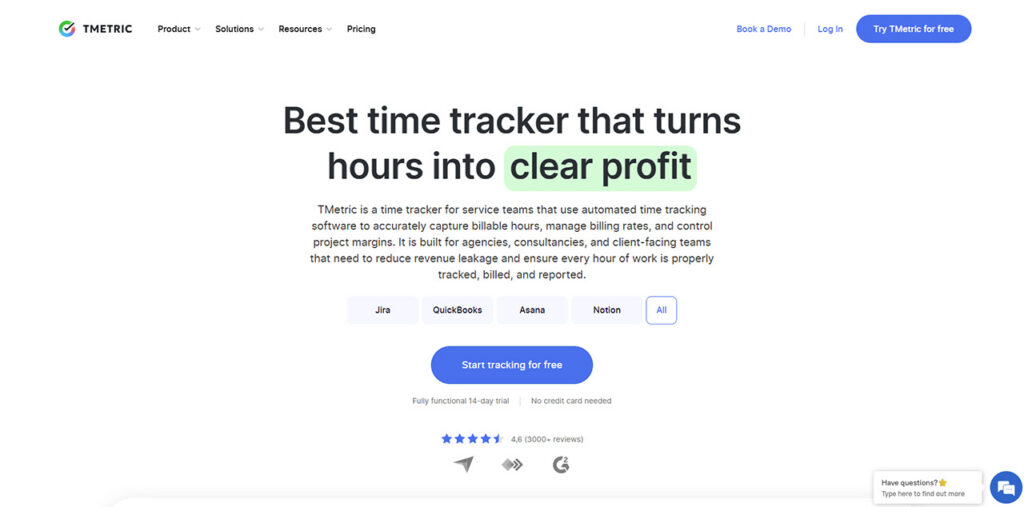
Originally a time tracking tool, TMetric has added some employee monitoring features. The Business plan includes application and website tracking, screenshots, activity tracking, team analytics, and productivity.
The monitoring capabilities are customisable. You can have blurry screenshots, only track during working hours, and employees can view their own tracked data.
The free plan can only support 2 seats for simple time tracking. However, the Business plan does include employee monitoring features such as screenshots and application/website tracking.
6. Hubstaff: Best for Transparent Low-Visibility Monitoring
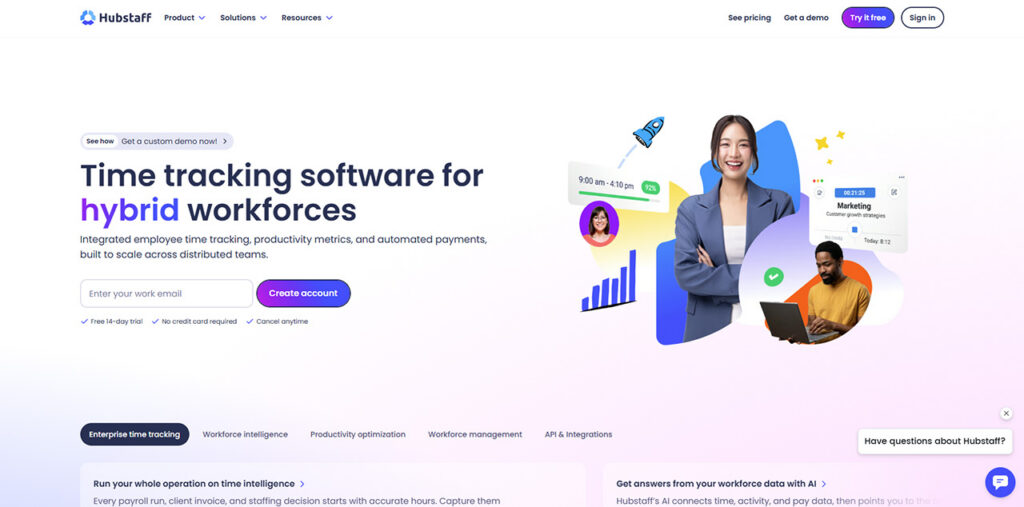
Hubstaff offers screenshots, activity rates, app and URL tracking, timesheets, and work tracking. However, it is important to distinguish Hubstaff from dedicated stealth platforms.
Hubstaff explicitly says its apps are designed around transparency. Employees can see when tracking is active, receive notifications when screenshots are captured, and control when they start and stop tracking.
That makes Hubstaff better classified as a low-interruption or configurable monitoring platform, rather than true hidden monitoring.
Its Starter plan starts at $4.99 per user per month when billed annually, while Grow is $7.50 and Team is $10. Paid plans have a two-seat minimum.
7. Time Doctor: Best for Background Productivity Tracking
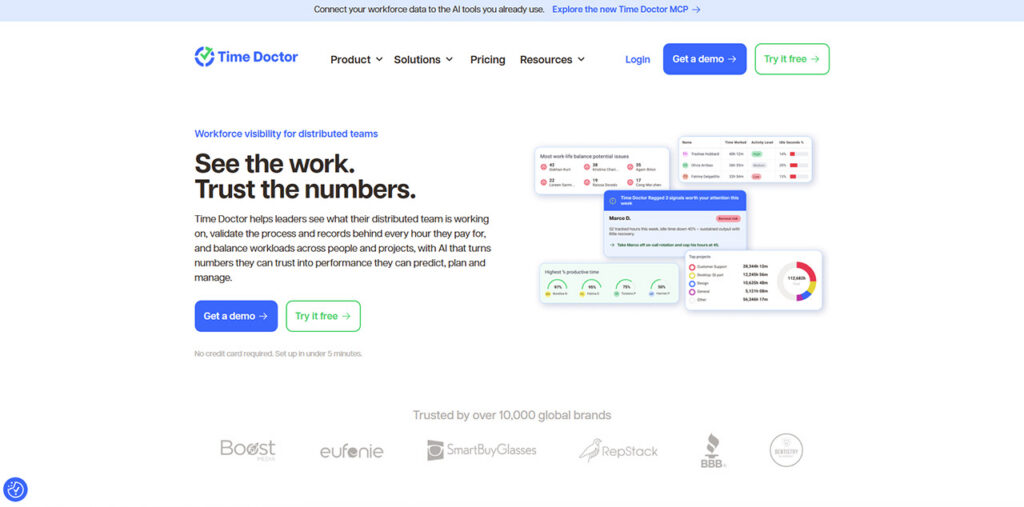
Time Doctor combines automatic time tracking with screenshots, projects, tasks, timeline reports, and productivity monitoring.
Its Basic plan starts at $6.67 per user per month when billed annually and includes automatic tracking, projects and tasks, screenshots, online/offline tracking, and timeline reports. Standard starts at $11.67 and adds features such as web and app usage reports, activity summaries, productivity ratings, attendance, and payroll.
Time Doctor supports automatic background monitoring, but it also offers an interactive tracking model. That makes it more appropriate to describe it as background-capable monitoring rather than dedicated stealth monitoring.
8. Insightful: Best for Stealth Workforce Analytics
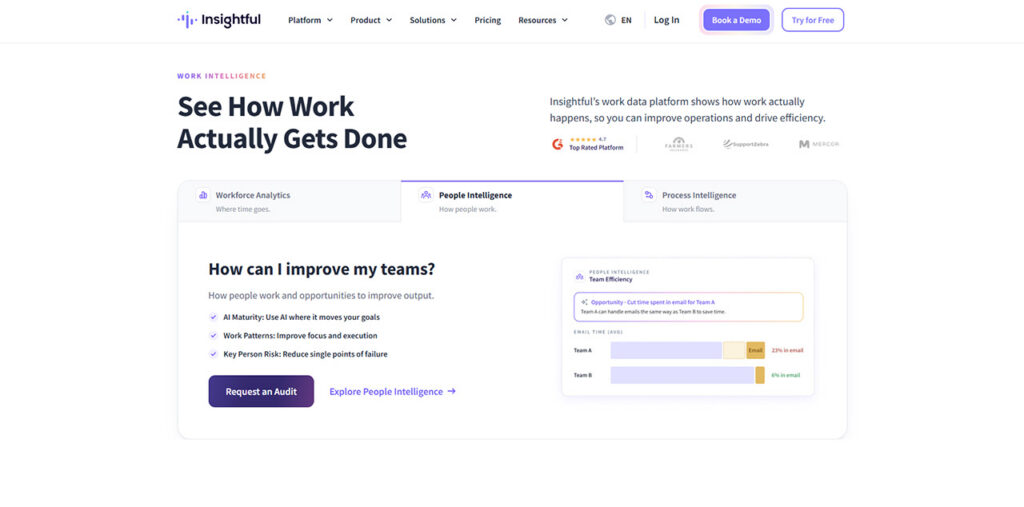
Insightful is another platform with an explicit stealth option. Its setup documentation says administrators can choose between Stealth mode and Visible mode.
In Stealth mode, employees cannot interact with the Insightful application. Administrators can also configure the screenshot frequency, with up to 30 screenshots per hour, according to the setup documentation.
Its Workforce Analytics plan starts at $8 per seat per month, billed annually, and includes a real-time overview, capacity analysis, app and website usage, and screenshots. Additional options include on-demand screenshots, increased screenshot frequency, and screen recording.
How to Choose Stealth Employee Monitoring Software
Choosing the best low-visibility employee monitoring software depends on how much activity information your business needs, the level of employee visibility you prefer, and the privacy controls available.
1. Decide whether you need true stealth monitoring
If employees should not see or interact with the monitoring application, look for a dedicated stealth mode or stealth agent.
Apploye, TrackPilots, Teramind, and Insightful explicitly document stealth capabilities, highlighting the role of AI-powered workplace efficiency. Hubstaff, meanwhile, takes a transparency-first approach.
2. Check what the software actually records
“Stealth” does not tell you what data the software collects.
Check whether the platform records:
- Screenshots
- Screen video
- App usage
- Website activity
- Keyboard and mouse activity
- Active and idle time
- Files or communications
- Location data
A platform that quietly records only work-related activity is very different from one that captures detailed screen or content data.
3. Look at privacy controls
Privacy features matter even when monitoring is intentionally low-visibility.
Look for controls such as screenshot blurring, work-hour restrictions, privacy modes, role-based access, and data-retention settings.
4. Consider whether you need time and project tracking
If monitoring is also used to understand billable work, project progress, or employee workload, choose a platform that connects activity data with time and projects.
Apploye, TMetric, Hubstaff, and Time Doctor all combine monitoring with time-tracking capabilities, while Apploye also connects tracked work with projects, tasks, invoicing, and payroll.
5. Compare the complete cost
The advertised starting price is not always the final cost.
Check whether stealth monitoring, additional screenshots, screen recording, security features, or advanced reports require separate add-ons.
For example, Apploye’s Stealth Mode costs an additional $2 per user per month, while Insightful offers several screenshot and security capabilities as paid add-ons.
Stealth vs. Low-Visibility vs. Non-Invasive Monitoring
These terms are often used interchangeably, but they describe different approaches.
| Type | What it means | Example |
| Stealth monitoring | The monitoring agent operates without a normal employee-facing interface or awareness | Apploye, Teramind, TrackPilots |
| Low-visibility monitoring | Monitoring runs with limited interruption, but employees may still know when tracking is active | Hubstaff, Time Doctor |
| Non-invasive monitoring | Focuses on work patterns without capturing detailed screen or content data | WorkTime |
| Configurable monitoring | Administrators choose which monitoring features to enable and how they operate | TMetric, Insightful |
The distinction is important because stealth does not automatically mean more useful monitoring. If you only need work-hour and application data, a non-invasive platform may provide enough visibility without recording screens.
Final Takeaway
Choosing the best low-visibility employee monitoring software requires balancing activity visibility, productivity insights, employee privacy, and management requirements. While some platforms specialize in background monitoring, others focus on transparent tracking or non-invasive workforce analytics.
TrackPilots and Teramind focus heavily on discreet monitoring, while Apploye combines stealth monitoring with time tracking, projects, reporting, invoicing, and payroll. Insightful combines stealth mode with workforce analytics, while WorkTime takes a less invasive approach by focusing on activity and productivity data.
TMetric, Hubstaff, and Time Doctor are better suited to teams that want monitoring integrated with time tracking and productivity workflows, with different levels of employee visibility.
The right choice depends on how discreet your monitoring needs to be, what data you need to collect, the level of privacy control you require, and whether you also need time, project, or workforce-management features.