







 Continue with Google

 Share on media
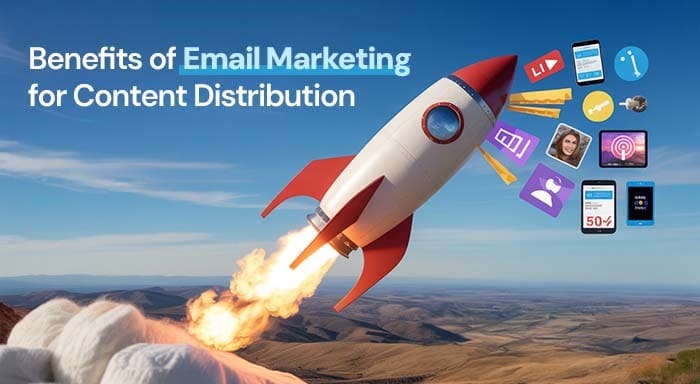
In the business world, digital marketing is the current trend, and content creation is an important aspect of it. But with the internet getting overcrowded, it has become more and more difficult for the content to reach its target audience, and that is where content distribution comes into play. Audience and customer engagement help drive up the sales and traffic rates. Though there exist multiple ways, email marketing for content distribution is an excellent tool to streamline your process and ensure your content lands directly in front of the right people. Let us tell you why.
Why Choose Email Marketing for Content Distribution?
With over 4.5 billion active email users in 2026, email marketing is an underrated revenue driver with a large existing customer base for strategic sharing of content. Here are some reasons why you should use emails to share your content:
1. Direct Access:
There are diverse distribution channels that deliver your content to an audience, such as social media, blogs, paid ads, guest posts, etc. But these methods are heavily dependent on a platform’s algorithm. Email works alongside them while providing you with a direct link to your target audience that has already shown an interest in your field. It removes the need for a middleman and the chances of favoritism. No more standing in a queue to reach your customer base. Skip the line, approach them directly and save some time.
2. Improve Engagement:
Email promotes dialogue between you and the consumers and gives them a platform to interact with you. This builds trust and boosts engagement. Emails can be personalized to cater to the interests, behavior or content preference of an individual, increasing the chances of getting their attention. Consistent use of email marketing can build better relationships and yield higher customer retention.
3. Efficient Resource Utilization:
Email automation can be used to construct and send emails to suit your needs. Email marketing and distribution can save the time and efforts of your team, ensuring the best utilization of your limited resources. It is cost-effective and does not require any skill to begin the process.
4. Computable and Trackable Results:
It is easy to keep track of emails and their conversations. The data can be monitored, stored, and analyzed using analytical tools to get a comprehensive idea about the consumers’ preferences, conversion rates, customer retention stats and many more. This data-driven analysis can be used to devise an appropriate marketing and advertising strategy while working on improving low-yield factors.
How to Use Email Marketing for Your Benefit?
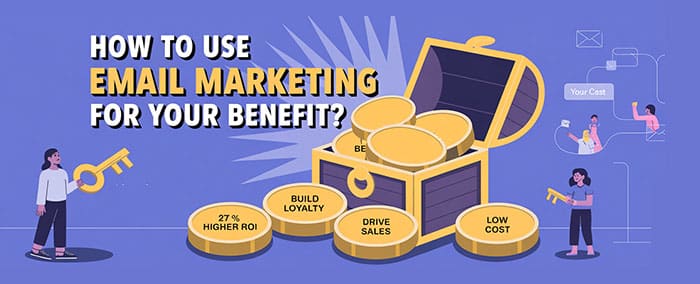
1. Strategize and Build an Augmented List:
While using email marketing for content distribution, it is important to set goals and targets that you want to achieve. Based on the goals that you have set, augment your email list to best suit your needs. Categorize and segment your audience list based on their behavior, interests, content preferences, demography, website activity, or any other information you might have. Then you can create and send personalized emails to different categories of readers based on what catches their attention.
2. Tailored-to-fit Content:
Multiple types of content are available in the market, such as:
- Articles
- Newsletters
- Blogs
- Whitepapers
- Drip Campaigns
- Promote Landing Pages
After you have segmented your audience, choose the content most suitable for each category. The content should be original and of value. This will channelize your content distribution and ensure maximum chances of engagement.
3. Designing and Structuring:
An important aspect of email marketing is designing and structuring your email to make it eye-catching. Here are some techniques that can be implemented to construct a better email:
- Color scheme – A consistent color scheme adds to the visual appeal of the email and provides it with a distinctive quality.
- Logo/ Signature – Signing off your email with a logo or digital signature can build trust among your audience and add to the authenticity of your content.
- Subject Line – An attention-grabbing or thought-provoking subject line can be the key that makes the recipient click on the email to read it.
- Organized – Your email should be well-organized and informative. There should be headers, headlines, bullet points or any other element required to ease the reader’s experience.
- Tone and Style – The email should not sound robotic or inhuman, and it should cater to the audience’s interests.
- Adding Infographics – Visuals are a great way to break the monotony of your content while conveying the data.
4. Email Automation:
You can use automation and CRM tools available in the market, as well as AI to subsidize your workload. This will significantly simplify the process of email marketing. Three essential factors should be considered while automating the emails:
- Who – Automate your emails for individual segments of your audience and customize them accordingly.
- Frequency – Frequency of sending the emails should be balanced. Too many emails too frequently can create an image of a scammer.
- Schedule – Schedule the emails to be sent at the most appropriate time that generates maximum engagement. This can be decided by performing data analysis.
Best Practices for Email Marketing for Content Distribution
Following a few proven practices can significantly improve the success of your email content distribution strategy.
Write Compelling Subject Lines
Your subject line determines whether recipients open your email. Keep it short, relevant, and create curiosity without sounding misleading.
Focus on Personalization
Address subscribers by name and recommend content based on their previous interactions. Personalized emails generally receive higher open and click-through rates.
Optimize for Mobile Devices
A large percentage of users check emails on smartphones. Use responsive templates, readable fonts, and clear call-to-action buttons to provide a smooth mobile experience.
Include a Clear Call-to-Action (CTA)
Every email should encourage readers to take a specific action, whether it’s reading a blog post, downloading a guide, watching a video, or signing up for a webinar.
Test and Improve Continuously
Run A/B tests on subject lines, email layouts, CTA buttons, and sending times. Small improvements can lead to better engagement over time.
Common Email Marketing Mistakes to Avoid
Even well-planned campaigns can fail if common mistakes are overlooked.
Sending Emails Too Frequently
Bombarding subscribers with emails can increase unsubscribe rates and reduce engagement. Maintain a consistent but reasonable schedule.
Ignoring Audience Segmentation
Sending identical content to every subscriber reduces relevance. Segment your audience to deliver content that matches their interests.
Using Misleading Subject Lines
Clickbait subject lines may increase opens initially, but they damage trust and can lead to spam complaints.
Forgetting to Analyze Performance
Monitor important email metrics such as open rate, click-through rate, bounce rate, and conversions to understand what works and where improvements are needed.
Not Following Email Compliance Rules
Always obtain permission before emailing subscribers and provide an easy unsubscribe option to maintain trust and comply with email marketing regulations.
Conclusion:
Email marketing is a hidden gem. It is a cheap and effective asset in the field of content distribution and even complements strategies like direct mail marketing for a broader audience reach. It bridges the gap between you and the readers, encourages engagement, and improves traffic while requiring low effort and minimal resources. This is why you must incorporate email marketing in your content distribution plan today.